Back to BlogAEO / GEO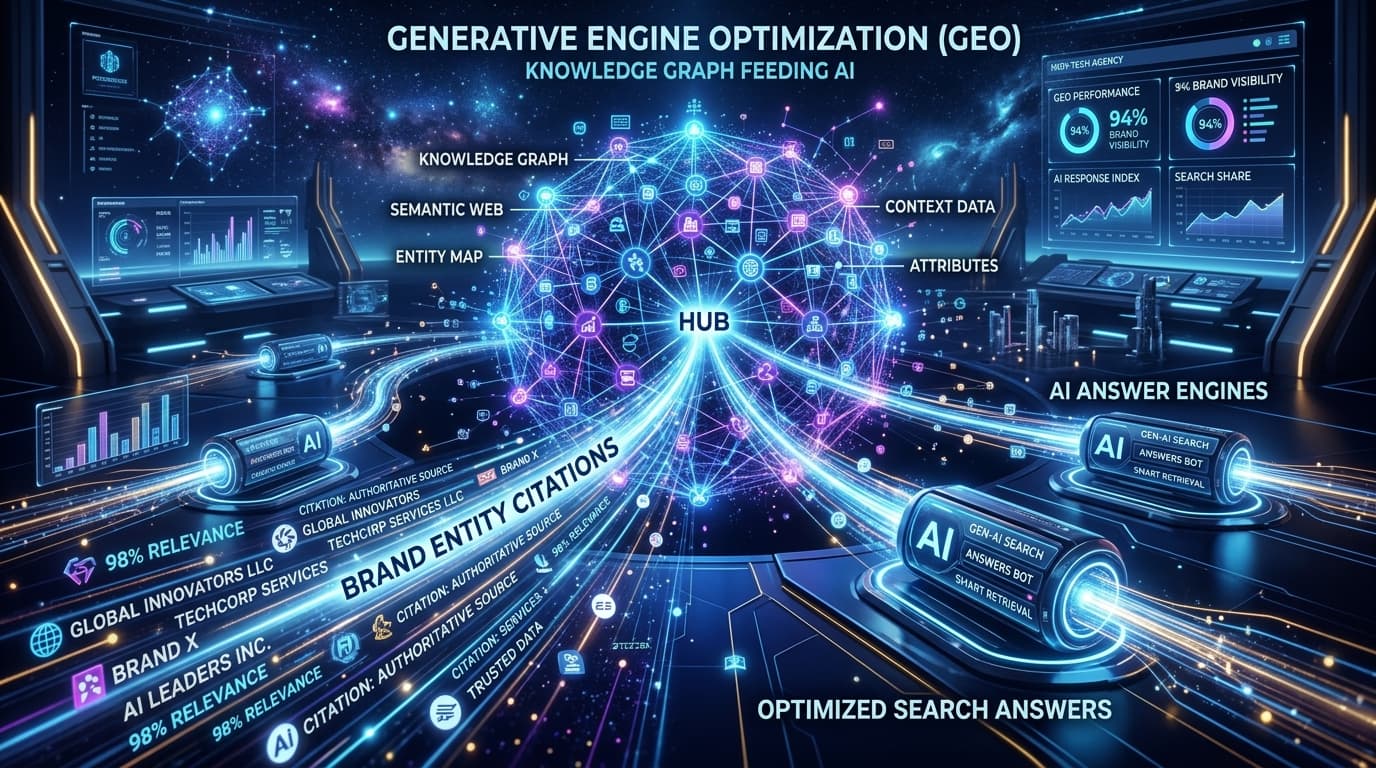
Case Study: Generative Engine Optimization (GEO): Getting Cited in ChatGPT, Perplexity & Google AI Overviews
Pennom AI Labs October 17, 2026 18 views
<h2>The New Search Landscape: The Rise of Answer Engines</h2>
<p>Search is fundamentally changing. Millions of high-intent B2B buyers and consumers are no longer scrolling through 10 blue links on Google. Instead, they are asking direct, multi-step questions to <strong>ChatGPT Search, Perplexity AI, Google Gemini, Claude, and Google AI Overviews</strong>.</p>
<p>If your brand is not recognized as a definitive semantic entity in the training sets and real-time retrieval-augmented generation (RAG) graphs of Large Language Models, you simply do not exist in the future of search.</p>
<h2>The Client: An Innovative B2B Tech Firm Facing AI Invisibility</h2>
<p>A regional cloud security and compliance platform with top-tier product ratings noticed a sudden plateau in organic traffic. While traditional SEO keywords were stable, high-value decision-makers searching queries like <em>"What are the top SOC-2 automated compliance vendors in the mid-atlantic?"</em> inside ChatGPT and Perplexity were receiving recommendations citing their competitors—never them.</p>
<h2>Pennom’s Generative Engine Optimization (GEO) Framework</h2>
<p>Pennom engineered a proprietary AEO/GEO optimization framework built specifically for neural retrieval models:</p>
<h3>1. Semantic Knowledge Graph & Entity Authority</h3>
<p>LLMs rely on structured entity relationships. We mapped the client's corporate entities, executive credentials, patent numbers, and verified customer benchmarks into comprehensive JSON-LD <code>TechArticle</code>, <code>SoftwareApplication</code>, and <code>Corporation</code> schemas validated against Wikidata and Google Knowledge Graph standards.</p>
<h3>2. Direct Answer Information Architecture (Q&A Markup)</h3>
<p>We restructured their documentation, whitepapers, and service pages into clean question-and-answer semantic formats that RAG models seamlessly scrape, synthesize, and cite as primary reference points.</p>
<h3>3. Third-Party Consensus Seeding</h3>
<p>AI models cross-verify claims across multiple high-authority digital publications. Pennom secured third-party editorial citations across recognized industry publications, establishing the secondary verification necessary for AI models to confidently recommend the brand.</p>
<h2>The Results: 73% Citation Capture in Generative Search</h2>
<p>Within 90 days of implementing Pennom's GEO framework, our synthetic AI benchmark testing yielded extraordinary visibility:</p>
<ul>
<li><strong>73% Citation Capture Rate:</strong> The client was cited as a recommended primary solution in 73 out of 100 tested prompt queries across ChatGPT, Perplexity, and Google AI Overviews.</li>
<li><strong>2.4x Brand Mentions:</strong> High-intent referral traffic from generative search engines jumped from 12 visits/mo to over 340 qualified monthly decision-makers.</li>
<li><strong>Zero Algorithm Risk:</strong> Because the strategy is grounded in factual entity authority rather than keyword stuffing, rankings remained resilient across all subsequent AI core updates.</li>
</ul>
<blockquote>
"Pennom is six months ahead of the rest of the industry. While other agencies are still doing traditional keyword research, Pennom made us the authoritative answer in ChatGPT and Perplexity."
<br><strong>— Founder & CEO, Cloud Compliance Tech</strong>
</blockquote>
AEO / GEOAI Search OptimizationKnowledge GraphsGenerative Search